
Pour coffee and orange juice over the Iberian ham toast
- Recipes
Indice
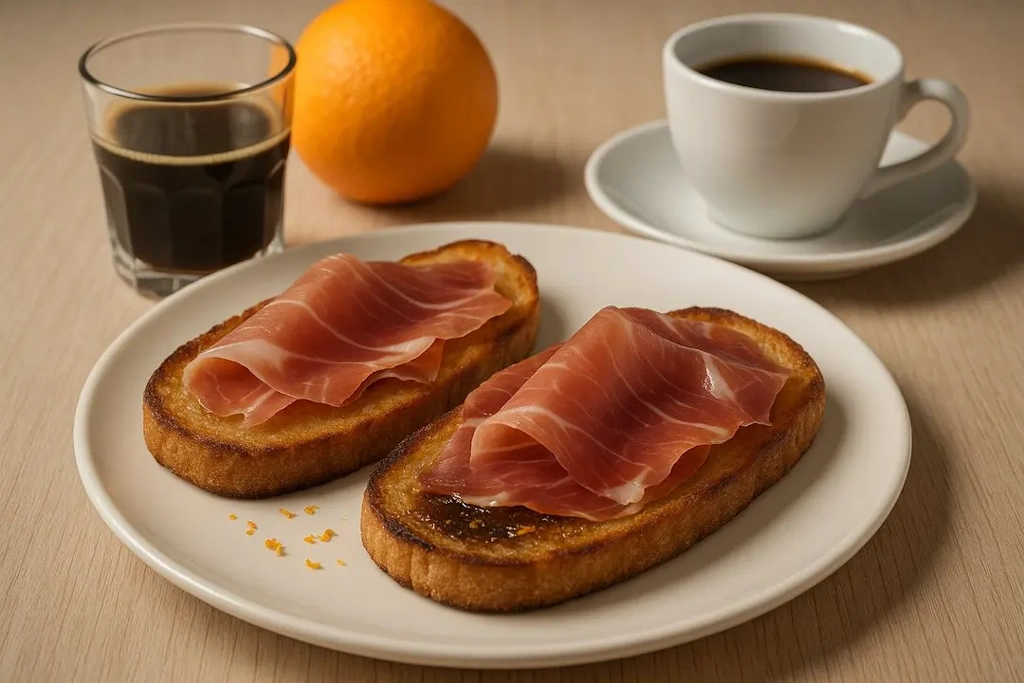
The Morning Sacrilege: What Happens When You Pour Coffee and Orange Juice Over Iberian Ham Toast?
The Spanish breakfast, in its high-end version, is a perfect balance: the crispy toast with Iberian ham, the sharp acidity of the orange juice, and the bitter punch of the coffee. The magic lies in the separation of its elements. But what would happen if, in an act of culinary irreverence, we decided to ignore the rules and fuse this trio on the same canvas of bread?
We venture into the territory of gastronomic sacrilege: the forced deconstruction of a classic. Pouring coffee and orange juice over Iberian ham toast is not just a wild idea; it is a test of fire for the alchemy of flavors, and its result is, at the very least, polarizing.
The Hypothesis of Sensory Disaster
Before proceeding with the experiment, let’s analyze the quality of the contenders. We have the toast (crispy, with EVOO and perhaps tomato), the ham (fatty, salty, umami), the coffee (hot, dark, bitter, full-bodied), and the orange juice (cold, sweet, intensely acidic).
Classical gastronomy teaches that contrasts are best enjoyed on the palate, not on the plate. By pouring the liquids, we force a cold, acidic-bitter emulsion with salty fat and toasted starch.
The immediate effect is the destruction of the texture. The bread, which should be the crispy vehicle, instantly soaks up, losing its integrity. It becomes a soft mass, saturated with moisture and opposing flavors. The ham’s brilliant fat cools quickly, and the acidity of the orange juice begins to interact with it, creating an oily and slightly curdled sensation.
The Experience of Forced Fusion
Once the “bath” is complete, the resulting bite is confusing and demands mental deconstruction:
- The Coffee-Ham Conflict
The coffee, which cleanses the palate in a traditional breakfast, here mixes directly with the Iberian marbling. The intense bitterness of the espresso, when combined with the ham’s saltiness, creates a flavor that could verge on earthy or, worse, metallic. It is a combination that attempts to mimic the complexity of sauces like mole, where bitter cocoa is balanced with spices and sweetness, but without the necessary cooking or binding elements. The result is a violent contrast that fails to cohere. - The Battle of the Orange
The orange juice is the most disruptive element. Its sweetness and acidity, which should refresh the drink, now filter into the ham fibers. The Iberian fat does not dissolve but is attacked by the citric acid, resulting in an unpleasant and disharmonious sensation. The fresh fruit flavor clashes head-on with the complexity of the cured meat, creating a sweet-salty profile that diminishes the quality of both products. The Iberian ham, which needs to be enjoyed alone or with oil, is here covered by an overly dominant flavor. - The Soggy Toast
The soaked bread, now with traces of dark coffee and orange juice, turns into a viscous medium. The crucial crunch and toastiness disappear. The toast surrenders, transforming into a simple sponge of incoherent flavors.
The Lesson of Tradition
Pouring coffee and orange juice over Iberian ham toast is an experiment that demonstrates why culinary traditions, especially simple ones, endure. The genius of the Spanish breakfast lies not in the mixture of ingredients, but in the sequence of their consumption.
It is the alternation—the salty flavor of the toast, followed by the bitter cleanse of the coffee, and the refreshing explosion of the juice—that defines the experience. Each element must remain intact to fulfill its function as a counterpoint. In the kitchen, fusion is sometimes brilliant, but the marriage of toast, coffee, and orange is a success story based on harmonious coexistence, not forced assimilation.
The sacrilege leaves us with a clear lesson: the best place for coffee and orange juice is next to the toast, not on it.
Nota importante: aceitedelcampo.com promueve el consumo del aceite de oliva virgen extra por sus cualidades culinarias y beneficios para la salud. No obstante, no debe sustituirse ningún medicamento o tratamiento actual sin la orientación de un profesional de la salud.
Productos que te pueden interesar
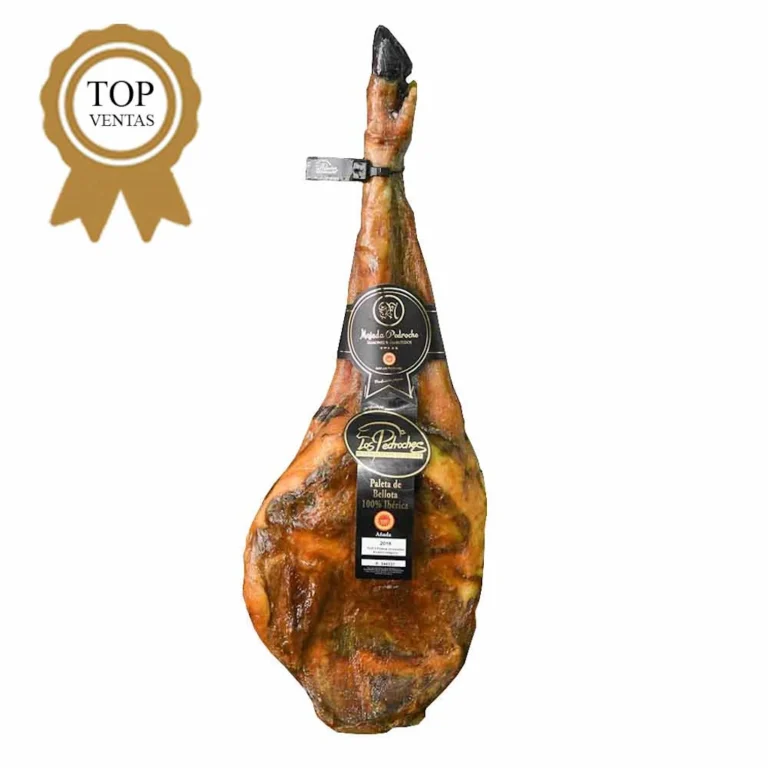
140,00 € – 160,00 €Price range: 140,00 € through 160,00 €
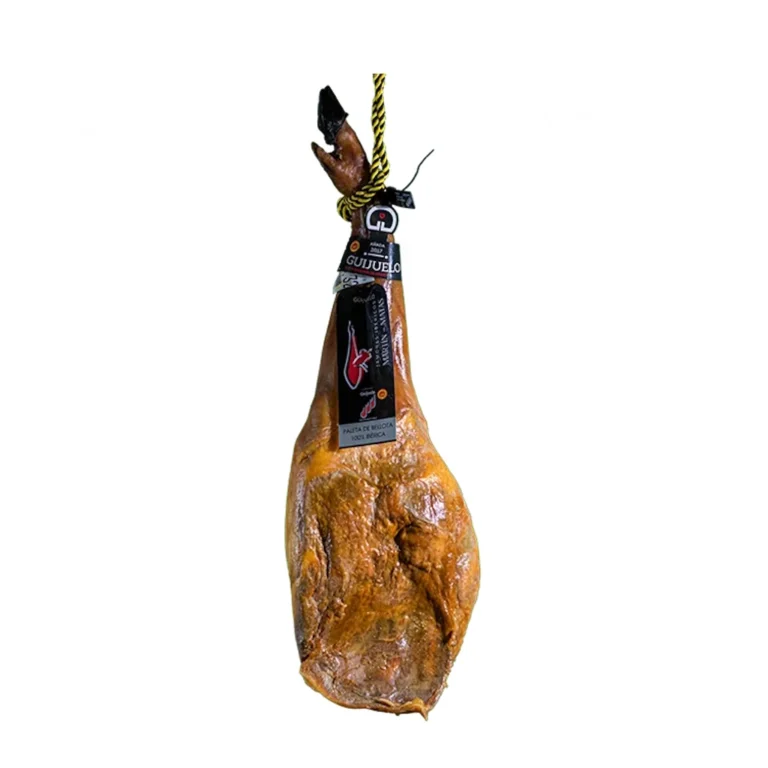
7,49 € – 165,00 €Price range: 7,49 € through 165,00 €
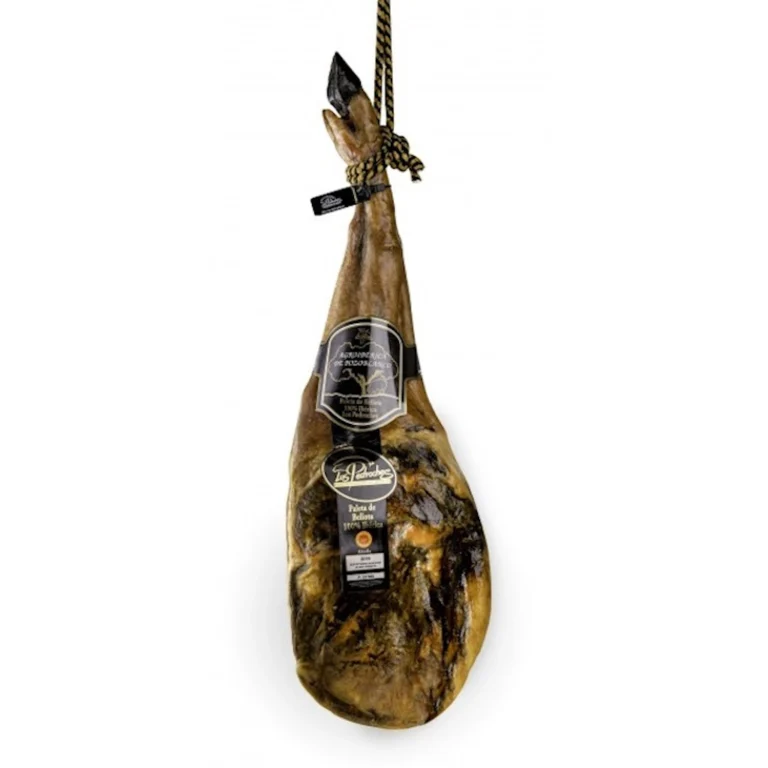
16,50 € – 320,00 €Price range: 16,50 € through 320,00 €