
The curing of Iberian ham
- Production
Indice
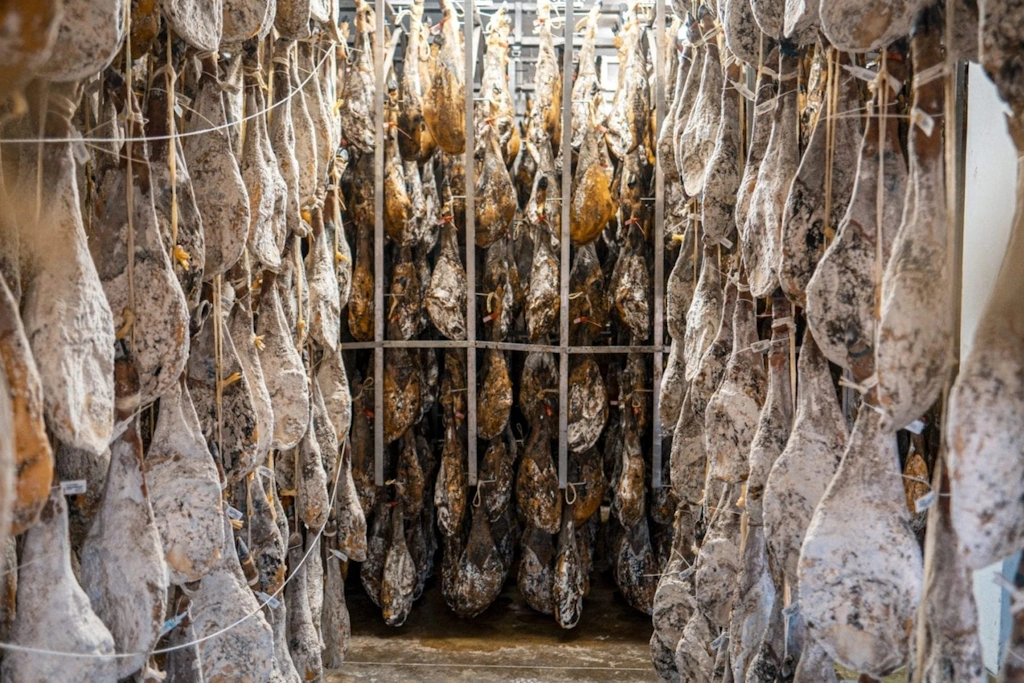
The Future of Curing Iberian Ham
In the current landscape of the Spanish agrifood industry, tradition and technology have ceased to be opposing concepts to become strategic allies. A clear example of this synergy is the VACU4HAM project, a pioneering initiative developed in Malaga that seeks to apply scientific rigor and artificial intelligence to perfect a millenary process: the curing of Iberian ham.
This collaboration, led by the Biomedical Research Institute of Malaga (IBIMA) and the prestigious ham house Monte Nevado, marks a milestone in the transfer of knowledge from the laboratory to the cellar. The central objective is to optimize every stage of the maturation process, ensuring that each piece reaches an unprecedented standard of sensory and sanitary excellence.
Bleeding: The Critical Point of the Curing Process
One of the fundamental pillars of the curing of Iberian ham is the initial bleeding process. According to the study, this is a critical moment; if not performed homogeneously, microbiological problems or defects in texture and flavor may appear, ruining years of maturation. The VACU4HAM project is developing a technological prototype that guarantees more precise and safer bleeding. By improving this preliminary step, the subsequent salting and drying process is facilitated to develop under ideal conditions, maximizing the quality of both Iberian and white-layer pork pieces.
Artificial Intelligence Applied to Tradition
What distinguishes this project is the incorporation of artificial intelligence to monitor the variables involved in the curing of Iberian ham. Factors such as humidity, temperature, and fat evolution are analyzed with microscopic precision. This allows for predicting the exact moment when the ham reaches its “perfect point,” eliminating the uncertainty that sometimes accompanies purely artisanal methods.
The participation of IBIMA’s Histology department allows for the analysis of ham tissues at a cellular level. This “quality autopsy” helps to understand how chemical and physical reactions transform fresh meat into a cured delicacy, allowing for the adjustment of cellar times to obtain optimal aroma and juiciness.
Sustainability and Global Competitiveness
Beyond organoleptic improvement, the application of science to the curing of Iberian ham has economic and environmental goals. Process efficiency allows for a reduced carbon footprint and optimized energy use in industrial cellars. Furthermore, by guaranteeing more homogeneous production, the Spanish ham sector strengthens its competitiveness in international markets, where food safety and traceability are non-negotiable requirements.
In conclusion, the alliance between IBIMA and Monte Nevado demonstrates that the curing of Iberian ham is not a static process. Thanks to investment in R&D+i, the sector manages to preserve its artisanal essence while adopting 21st-century tools. The result is a product that not only honors Andalusia’s gastronomic heritage but also positions itself as a benchmark for scientific innovation in the global food industry.
Nota importante: aceitedelcampo.com promueve el consumo del aceite de oliva virgen extra por sus cualidades culinarias y beneficios para la salud. No obstante, no debe sustituirse ningún medicamento o tratamiento actual sin la orientación de un profesional de la salud.
Productos que te pueden interesar
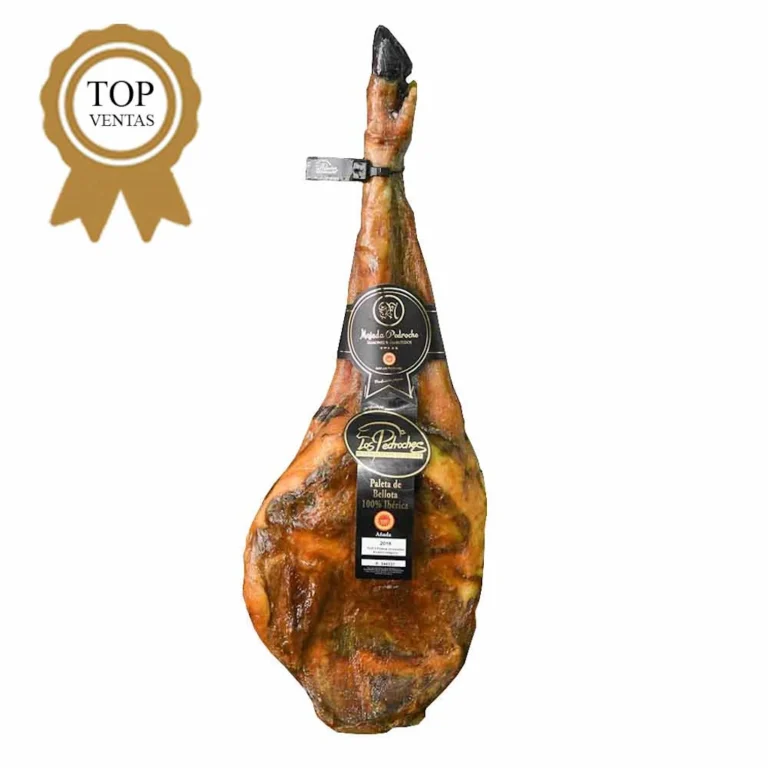
140,00 € – 160,00 €Price range: 140,00 € through 160,00 €
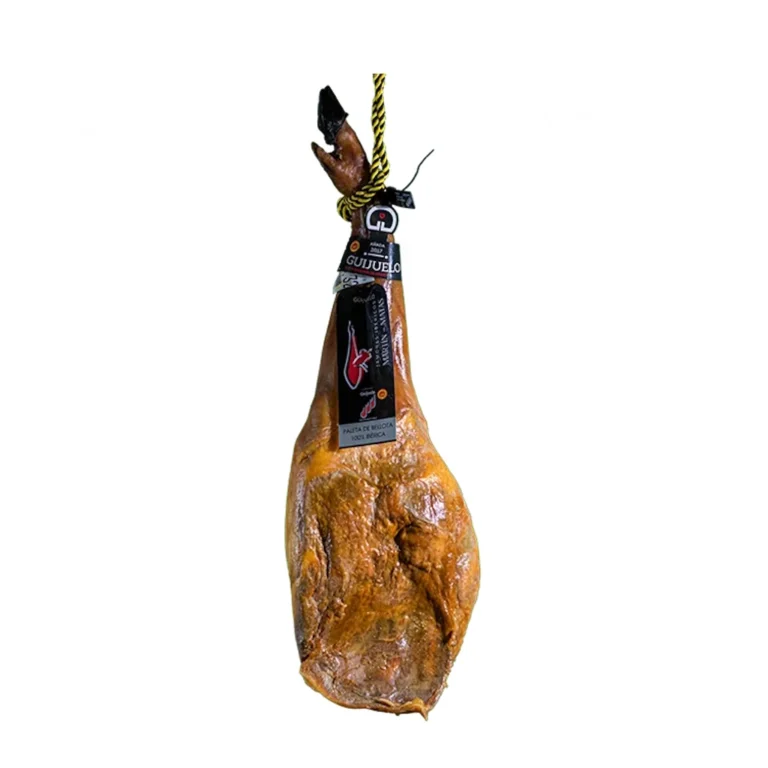
7,49 € – 165,00 €Price range: 7,49 € through 165,00 €
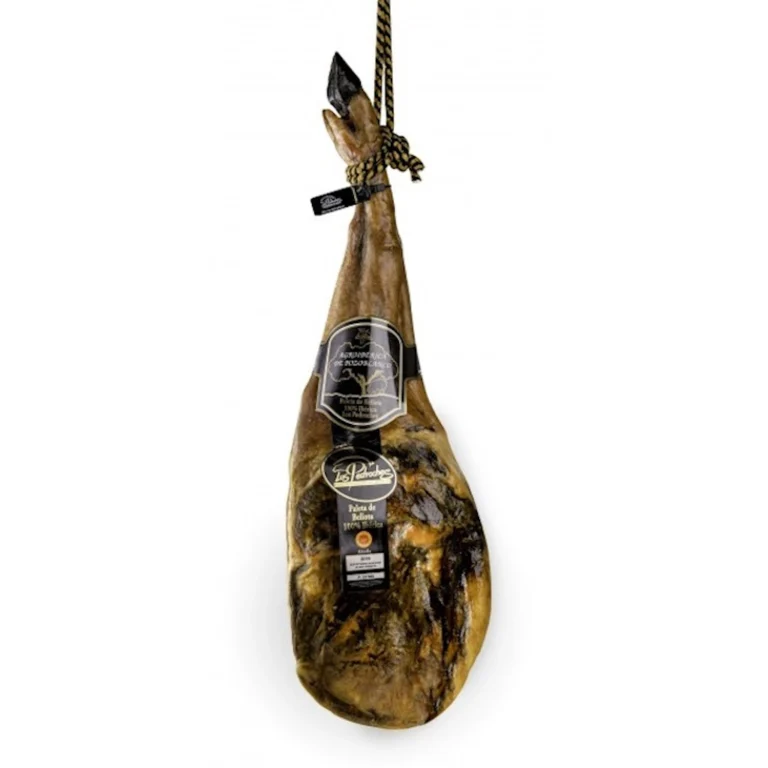
16,50 € – 320,00 €Price range: 16,50 € through 320,00 €